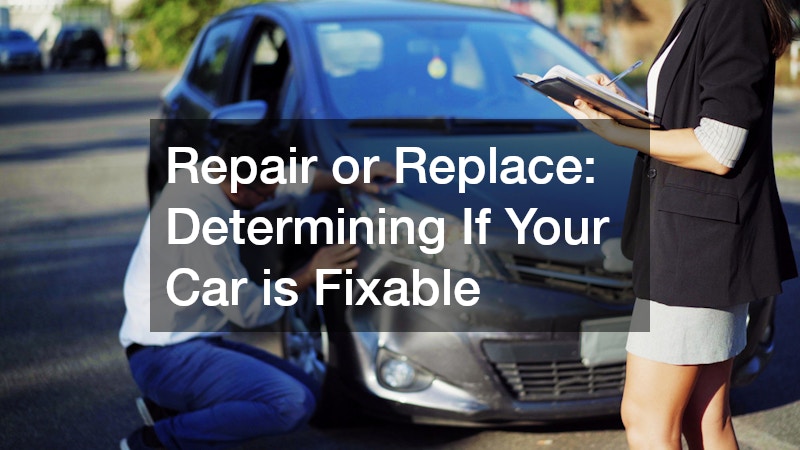
Every car owner eventually faces a moment of reckoning. You are sitting in a quiet waiting room, the faint smell of motor oil and stale coffee in the air, waiting for the verdict on your vehicle. Your trusty companion on the road, the machine that has carried you through daily commutes, weekend road trips, and late-night grocery runs, is showing its age. A new, unfamiliar noise has developed under the hood, or perhaps a warning light has illuminated on the dashboard like an ominous beacon. Navigating this crossroad requires a careful balance between your financial limits and your need for dependable daily transportation.
The Financial Formula of Vehicle Ownership

Evaluating the Fifty Percent Rule
When deciding whether to move forward with a major fix, many automotive professionals rely on a simple baseline known as the fifty percent rule. This guideline helps strip the emotion out of the decision-making process by comparing the immediate cost of the work to the actual market value of the vehicle in its current, functioning state.
- Determine the actual cash value: Use reliable online valuation tools to find out what your vehicle would be worth if it were running smoothly today.
- Compare the estimate: If the written estimate for the immediate fix exceeds half of that total value, the scale heavily tilts toward replacement.
- Factor in the vehicle’s trajectory: A car that is worth $4,000 but requires an expensive overhaul is a prime candidate for retirement under this rule, as you are unlikely to recoup that investment.
Tracking the Total Annual Cost of Ownership
Looking at a single, massive estimate can be terrifying, but sometimes the silent killer of your budget is the slow drip of smaller, frequent issues. To get an accurate financial picture, you must track your spending over a broader timeline rather than focusing solely on the emergency of the week.
- Review twelve months of receipts: Gather all your invoices from the past year, including routine maintenance, unexpected breakdowns, and diagnostic fees.
- Compare to potential monthly loan payments: Divide that annual total by twelve. If your monthly average for keeping the car roadworthy is approaching or exceeding the monthly payment of a newer, more reliable vehicle, it is financially safer to upgrade.
- Recognize the hidden cost of downtime: Do not forget to factor in indirect expenses, such as the price of rental cars, rideshares, or lost wages from missing work due to a sudden breakdown.
Assessing Critical Mechanical Systems
Analyzing Powertrain and Engine Vitality
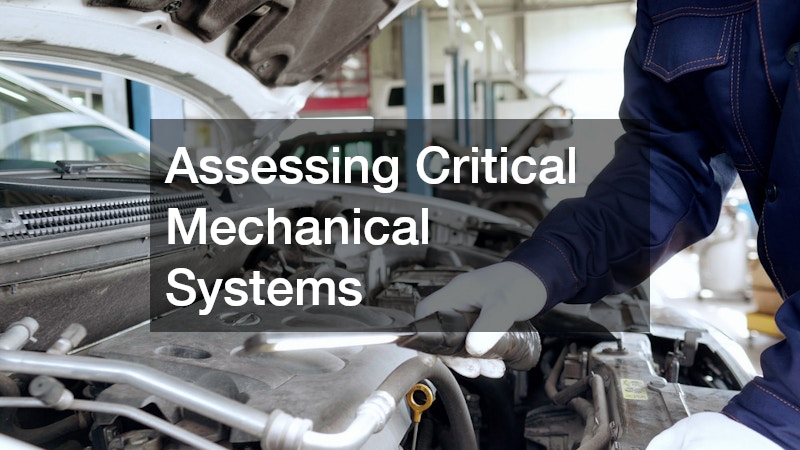
The engine and transmission form the literal heart and muscle of your vehicle. When these components begin to fail, the associated costs are almost always significant, making a precise evaluation of their health absolutely crucial before approving any heavy auto repair work.
- Perform a compression test: Have a professional check the internal health of the engine cylinders to ensure the metal components are not excessively worn or failing.
- Inspect the transmission fluid: Dark, burnt-smelling transmission fluid often indicates internal slipping and clutch degradation, hinting that a complete system rebuild is on the horizon.
- Identify persistent fluid mixtures: If you notice milky residue under the oil cap or bubbles in the radiator coolant, you are likely facing a blown head gasket, which is one of the most expensive engine issues to resolve.
- Consider trusted local auto mechanics: Partnering with highly rated, independent service professionals in your neighborhood can provide you with an honest assessment of whether a major engine rebuild is viable or if the physical wear is too advanced to justify the labor.
Reviewing Stopping Power and Undercarriage Integrity
While engine issues keep you from moving, stopping issues and structural problems keep you from staying safe. Neglecting the systems that connect your car to the road can turn an otherwise salvageable vehicle into a severe safety hazard.
- Measure brake pad and rotor wear: Excessively thin pads can warp rotors, and damaged calipers can lead to uneven, dangerous stopping distances.
- Listen for suspension noise: Squeaks, clunks, or a drifting sensation while driving often point to worn control arms, ball joints, or struts that compromise your handling.
- Evaluate the cost of safety restoration: Relying on a professional brake repair service is non-negotiable for keeping your vehicle safe, but if these essential stopping upgrades are paired with a failing suspension, the combined bill can easily overwhelm the car’s remaining value.
Structural Integrity and Cosmetic Reality

Inspecting for Frame Damage and Structural Rust
A car with a pristine engine can still be completely unroadworthy if its structural foundation is compromised. Rust and physical impact can weaken the metal skeleton of your vehicle, making it highly dangerous in the event of an accident.
- Check the vehicle’s frame rails: Look for signs of buckling, welding patches, or deep, flaky rust along the main structural supports under the vehicle.
- Examine the suspension mounting points: If the metal surrounding the struts or control arms is crumbling due to corrosion, the vehicle is structurally unsound.
- Consult dedicated auto body shops: Visiting specialized facilities that focus on structural alignment and panel restoration can help you determine if frame damage can be safely pulled straight, or if the metal has lost its vital structural integrity.
Balancing Superficial Wear with Aesthetic Maintenance
It is easy to get discouraged by a vehicle that looks battered, but you must distinguish between structural damage and superficial wear. Many cosmetic issues can be managed or reversed without breaking the bank, meaning they should not be the sole reason you scrap a car.
- Differentiate cosmetic dents from structural compromises: A crumpled bumper cover or a dinged door panel might look bad, but they do not affect how the vehicle drives or protects you.
- Address cabin wear and environmental odors: Stubborn smells, stained carpets, and faded upholstery can drastically lower your driving enjoyment and the car’s resale value.
- Invest in a professional auto detailing service: Utilizing a deep-cleaning treatment can breathe new, surprising life into an older cabin, making the interior feel fresh and clean enough to extend your ownership for another few years.
Windshields, Windows, and Peripheral Equipment

Identifying Safety Risks in Damaged Glass
Your vehicle’s glass is not just there to keep the wind out of your face; it is a structural component of the passenger cabin that supports the roof during a rollover and ensures proper airbag deployment. Ignoring a damaged windshield can have catastrophic consequences.
- Track the spread of cracks: A tiny chip can quickly spiderweb across the glass when exposed to temperature changes or bumpy roads, blocking your line of sight.
- Check the driver’s direct field of view: Any damage directly in front of the driver or near the edge of the glass pane generally cannot be safely repaired.
- Get your auto glass replaced promptly: Utilizing professional technicians to swap out compromised glass ensures the structural strength of your cabin remains intact, keeping you safe without requiring a full vehicle replacement.
Evaluating Comfort Enhancements and Add-ons
Modern vehicles are packed with convenience features, electronic helpers, and customized upgrades. While these systems make your daily drive more pleasant, they can also become a source of financial stress when they start to malfunction.
- Assess the health of non-essential electronics: Infotainment systems, heated seats, and backup sensors are great, but their failure does not affect the basic driveability of the vehicle.
- Consider the cost of specialized auto accessories: If you have invested in custom roof racks, upgraded lighting, or specialized towing setups, remember that these items can often be removed and transferred to your next vehicle, meaning they should not tie you to a dying car.
- Prioritize mechanical function over luxury features: If your air conditioning compressor fails on a vehicle that already has transmission slip, it is time to walk away rather than spending money trying to keep the cabin cool.
Analyzing Long-Term Reliability and Market Factors
Predicting the Frequency of Future Breakdowns
A vehicle is a complex machine made of thousands of moving parts, all designed to wear out over different schedules. When deciding whether to fix your current car, you have to look down the road and anticipate what is likely to fail next.
- Research common mileage-based milestones: Many vehicles face predictable component failures around 100,000 or 150,000 miles, such as water pumps, alternators, or timing belts.
- Review your vehicle’s service history: If you have kept up with preventative fluid changes and belt replacements, your car is far more likely to handle a major fix and keep running than a neglected model.
- Calculate the frequency of your shop visits: If your vehicle is spending more time on a lift than in your driveway, the sheer inconvenience and unpredictability of the vehicle should push you toward a replacement.
Finding Alternatives in the Current Vehicle Market
Your decision to repair your car does not happen in a vacuum; it is heavily influenced by the state of the automotive market. Understanding what your money can buy elsewhere is a crucial step in deciding whether to stick with what you have.
- Research local dealership and private inventory: Take a look at what is available in your price range to see if you can find a suitable, reliable upgrade without taking on massive debt.
- Examine the cost of an affordable used car: If you can find a reliable, well-maintained pre-owned vehicle for roughly the same price as your pending repair bill, making the switch is often the smarter long-term financial play.
- Compare insurance and registration rates: Remember that a newer vehicle will often carry higher insurance premiums and registration fees, which should be factored into your overall budget.
Executing the Transition Smoothly
Maximizing Value from an Unfixable Vehicle
If you have run the numbers, consulted the experts, and decided that your vehicle has reached the end of its road, you still have to figure out what to do with the physical car. Fortunately, even a vehicle that is no longer roadworthy holds value.
- Explore trade-in options: Some dealerships will accept non-running vehicles as a trade-in to help lower the down payment on your next purchase, though they will offer minimal value for it.
- Sell the vehicle for parts: If you have the space, time, and mechanical knowledge, stripping valuable components like the alternator, starter, or specialty wheels can yield a decent return.
- Utilize a dedicated cars for cash service: If you want a fast, hassle-free way to remove the vehicle from your property, these specialized businesses will typically tow your vehicle away for free and hand you a check on the spot, regardless of the car’s mechanical condition.
Setting Up a Sustainable Maintenance Strategy
If you have decided that your vehicle is worth saving, or if you have recently upgraded to a different model, your goal should be to prevent future high-stakes dilemmas. A proactive approach to vehicle care is the absolute best way to protect your investment.
- Establish a strict preventative schedule: Do not wait for warning lights to appear. Stick to the manufacturer’s guidelines for fluid changes, tire rotations, and belt inspections.
- Keep detailed records of all work performed: Maintaining an organized folder of service receipts not only helps you track your spending but also adds significant value to your vehicle when it comes time to sell it down the road.
- Budget for a dedicated vehicle fund: Set aside a small amount of money each month specifically for unexpected automotive issues, ensuring that the next major repair estimate does not throw your personal finances into chaos.
- Invest in a structured car service plan: Working with a trusted facility to perform regular, comprehensive multi-point inspections allows you to catch minor wear before it escalates into a catastrophic, budget-busting failure.
Ultimately, deciding whether to fix your vehicle or move on to another one is a highly personal choice that goes far beyond simple numbers. While financial formulas, market values, and mechanics’ estimates provide an incredibly solid framework for your decision, your daily peace of mind, your safety, and your lifestyle needs must carry significant weight as well. There is immense value in driving a vehicle that you can trust to start every single morning, especially if your job or family obligations depend on absolute reliability. Taking a proactive, logical approach today guarantees that you remain in complete control of your transport needs, rather than letting a sudden mechanical failure make the decision for you.