Modern vehicles are marvels of engineering, bringing together mechanical systems, onboard computers, sensors, and advanced materials into a single, highly integrated machine. These components continuously communicate with one another to optimize performance, safety, and efficiency in real time. Features such as electronic stability control, advanced driver assistance systems, and computerized engine management rely on precise calibration and proper upkeep to function as intended. When even one element falls out of alignment, it can affect multiple systems at once.
While this level of innovation has significantly improved driving comfort, fuel efficiency, and occupant protection, it has also increased the importance of proper maintenance. Many modern issues develop quietly, without the dramatic symptoms older vehicles once displayed. A sensor operating slightly outside its optimal range or a fluid degrading faster than expected can gradually impact performance and reliability. Ignoring these small issues often allows them to compound, leading to expensive breakdowns, diminished efficiency, and safety risks that could have been avoided with informed decisions.
This guide is designed to help vehicle owners understand how different systems work together and why a proactive approach matters. Rather than viewing maintenance as a reaction to problems, the goal is to shift toward anticipation and prevention. Whether you drive a daily commuter, a family SUV, or a performance vehicle, the strategies outlined below will help you recognize early warning signs, prioritize care effectively, and make confident maintenance choices. With the right knowledge and habits, it becomes possible to reduce long-term costs, minimize disruptions, and keep your vehicle reliable and enjoyable for years to come.
Build a Preventive Maintenance Mindset Early
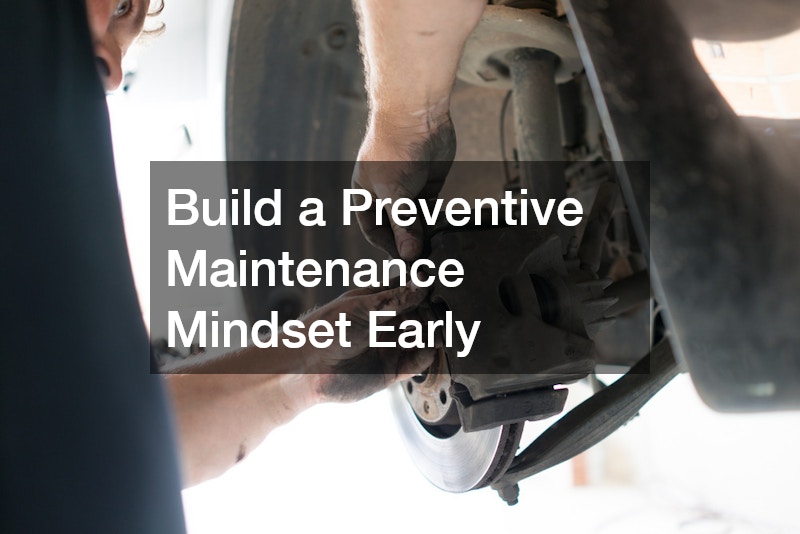
Modern vehicles are far more resilient than older models, but they’re also less forgiving when problems are ignored. A proactive approach to car repair isn’t just about fixing what’s broken— it’s about preventing failures before they happen.
Preventive maintenance focuses on addressing wear, stress, and early warning signs long before they escalate. For example, a small fluid leak or unusual vibration may seem harmless today but can signal deeper mechanical issues developing beneath the surface.
Key habits that reduce long-term repair costs include:
- Following mileage-based service intervals rather than waiting for symptoms
- Paying attention to dashboard alerts instead of dismissing them
- Addressing unusual noises, smells, or handling changes promptly
- Keeping detailed service records to track patterns over time
Many drivers delay service because the vehicle still “feels fine.” In reality, modern systems often compensate for problems temporarily, masking issues until a failure occurs. Strategic car repair prioritizes early intervention, which almost always costs less and preserves vehicle reliability.
Use Routine Safety Checks to Catch Problems Before They Fail
Routine evaluations are one of the most powerful tools drivers have, especially when paired with a thorough vehicle inspection. These checks go beyond quick visual scans and focus on identifying developing issues across critical systems.
A comprehensive inspection should include:
- Brake system wear measurements
- Suspension and steering component checks
- Fluid condition and level assessments
- Electrical system and battery testing
- Undercarriage and exhaust review
Many problems— such as worn bushings or small coolant leaks— progress slowly and may not affect drivability right away. Regular vehicle inspection allows these issues to be addressed before they compromise safety or trigger secondary damage.
Actionable tips for owners:
- Schedule inspections before long trips or seasonal changes.
- Request written reports and photos from technicians.
- Compare inspection findings over time to spot trends.
- Don’t ignore “advisory” notes— they often predict future failures.
Treat inspections as diagnostic tools rather than sales opportunities, and they’ll become one of the most valuable parts of your maintenance routine.
Keep Your Stopping Power Reliable in All Conditions
Few systems impact safety as directly as braking, and staying ahead of brake repairs requires more than responding to squealing or grinding noises. Modern braking systems are engineered to provide feedback long before failure, but only if drivers know what to watch for.
Early warning signs include:
- Soft or spongy pedal feel
- Vibration during braking
- Longer stopping distances
- Brake dust buildup on wheels
Environmental factors such as stop-and-go traffic, towing, and mountainous driving accelerate wear. Delaying brake repairs not only increases stopping distance but can also damage rotors, calipers, and hydraulic components, dramatically raising repair costs.
Ways to extend brake system life:
- Maintain proper tire pressure to reduce stopping load.
- Avoid aggressive braking whenever possible.
- Replace worn components before metal-on-metal contact.
- Flush brake fluid at manufacturer-recommended intervals.
Braking systems are designed to wear predictably. Addressing issues early preserves both safety and budget.
Protect Your Drivetrain From Costly Mechanical Failure
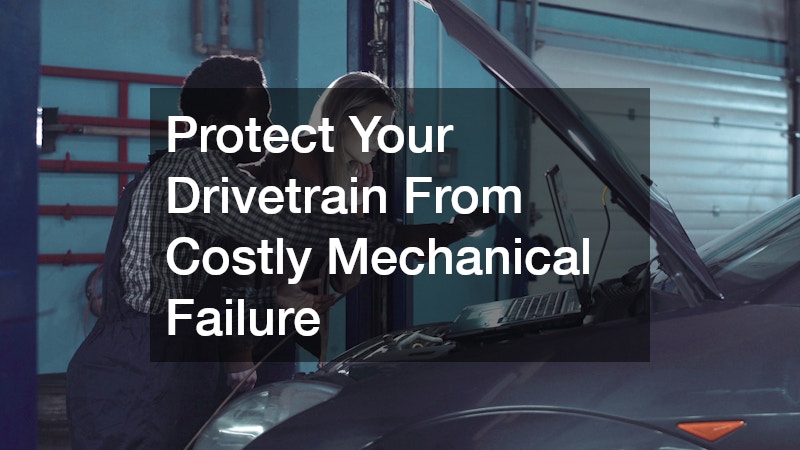
The drivetrain is responsible for transferring power from the engine to the wheels, and it operates under constant stress during every mile of driving. Every start from a stop, lane change, hill climb, and highway merge places a load on internal components designed to work within specific tolerances. Over time, heat, friction, and pressure gradually wear these parts down. Because this process is incremental, many drivers overlook early warning signs until damage becomes severe and a transmission rebuild becomes unavoidable.
One of the biggest challenges with drivetrain problems is that symptoms often appear intermittently at first. A vehicle may drive normally most of the time, only to hesitate or shift harshly under certain conditions. These inconsistencies make it easy to dismiss early issues as “normal behavior,” even though they typically signal internal wear or fluid breakdown.
Common early indicators include:
- Hesitation or slipping during acceleration, especially when merging or climbing hills
- Delayed engagement when shifting gears, such as a pause before the vehicle moves after shifting into drive or reverse
- Burning smells or dark transmission fluid, which indicate overheating or degraded lubrication
- Unusual whining or grinding noises that change with speed or gear selection
Ignoring these signs allows internal damage to compound. Worn clutches, damaged seals, and contaminated fluid circulate debris through the system, accelerating wear across multiple components rather than remaining isolated to one area.
Heat is the primary enemy of drivetrain components. Excessive temperatures break down fluid additives, reduce lubrication effectiveness, and cause seals to harden or crack. Driving habits and operating conditions play a major role in heat buildup. Heavy towing, frequent stop-and-go traffic, aggressive acceleration, and extended idling all increase thermal stress. Skipped fluid changes compound the problem by allowing old fluid to retain heat and lose its protective properties.
Once internal components suffer significant damage, simple repairs are no longer sufficient. At that stage, a transmission rebuild may be required to replace worn parts, restore tolerances, and return the system to proper operating condition. While effective, this level of repair is costly and time-consuming compared to preventive care.
Preventive strategies include:
- Regular fluid inspections and changes to ensure proper lubrication and cooling
- Avoiding aggressive acceleration when cold, as fluid needs time to reach optimal viscosity
- Using manufacturer-approved fluids only, since modern systems are calibrated for specific formulations
- Addressing small leaks immediately to prevent fluid loss and contamination
In addition to these steps, paying attention to changes in shift behavior and scheduling diagnostics at the first sign of trouble can prevent cascading failures. Consistent maintenance dramatically increases drivetrain lifespan, improves driving smoothness, and significantly reduces the likelihood of major mechanical intervention later in the vehicle’s life.
Maintain Exterior Integrity Without Overpaying
Minor body damage may seem purely cosmetic, but dents can compromise paint integrity, invite corrosion, and reduce resale value. Paintless dent repair offers an efficient solution for specific types of damage without the need for repainting.
This approach works best for:
- Shallow dents with intact paint
- Damage from hail, door dings, or minor impacts
- Panels without sharp creases
Timing matters. Addressing dents early improves repair success rates and prevents moisture intrusion that can lead to rust. Paintless dent repair is especially valuable for preserving factory finishes, which are often more durable than aftermarket paint.
Best practices for owners:
- Repair dents promptly after they occur.
- Avoid DIY methods that can stretch metal.
- Verify technician experience with your vehicle’s materials.
- Inspect repaired areas under varied lighting conditions.
Small repairs today can prevent major refinishing costs later.
Know When Structural Damage Requires Professional Expertise
After an accident, visible damage tells only part of the story. Even minor collisions can affect alignment, safety systems, and structural integrity, making professional collision repair services essential.
Hidden damage may involve:
- Bent suspension components
- Misaligned frames or subframes
- Malfunctioning safety sensors
- Compromised crumple zones
Modern vehicles rely on precise tolerances. Improper repairs can interfere with airbag deployment, driver-assistance systems, and crash protection. Quality collision repair services ensure that both structural integrity and electronic calibration are restored correctly.
Steps to protect yourself after a collision:
- Request detailed damage assessments.
- Confirm recalibration of safety systems.
- Avoid shops that rush repairs.
- Inspect repairs carefully before acceptance.
Post-collision safety depends on more than appearance— it depends on precision.
Choose the Right Professionals for Body and Frame Work

Not all facilities are equipped to handle modern vehicle construction. Selecting reputable auto body shops is critical, especially for vehicles built with aluminum, composites, or advanced steels.
When evaluating providers, look for:
- Manufacturer or industry certifications
- Dedicated frame measurement equipment
- Trained technicians for modern materials
- Transparent repair documentation
Experienced auto body shops understand how repairs affect both structural integrity and long-term durability. Poor workmanship may not be immediately obvious but can lead to corrosion, misalignment, or premature component failure.
Smart consumer actions:
- Ask about repair processes, not just pricing.
- Request photos of structural repairs.
- Confirm warranty coverage on labor.
- Research customer reviews for consistency.
Quality body work protects safety, value, and peace of mind.
Keep Your Vehicle Legal, Efficient, and Environmentally Sound
Modern emissions systems are complex, and passing an emissions test depends on multiple components working in harmony. Problems often originate from neglected maintenance rather than sudden failure.
A common culprit is the exhaust after-treatment system, which includes sensors and filtering components. When these systems degrade, catalytic converter services may be required to restore proper operation.
Warning signs include:
- Check engine warnings related to emissions
- Reduced fuel efficiency
- Sulfur or rotten-egg odors
- Failed emissions test results
Preventive measures that help avoid failures:
- Address engine misfires promptly.
- Use quality fuel to reduce contamination.
- Repair exhaust leaks early.
- Avoid ignoring dashboard alerts.
Proper emissions maintenance protects both compliance and engine efficiency.
Maximize Safety, Handling, and Ride Quality

Your vehicle’s contact with the road depends entirely on wheels and tires, making them foundational to safety and performance. Wear patterns often reveal underlying alignment, suspension, or inflation issues long before they cause handling problems.
Key inspection points include:
- Uneven tread wear
- Sidewall damage or bulges
- Vibration at highway speeds
- Steering pull during straight driving
Proper care of wheels and tires improves braking efficiency, fuel economy, and ride comfort. Neglecting them can accelerate wear across suspension and steering components.
Best practices for longevity:
- Rotate tires at recommended intervals.
- Maintain correct inflation year-round.
- Balance assemblies after tire replacement.
- Inspect wheels after pothole impacts.
Consistent attention ensures predictable handling in all conditions.
Create a Long-Term Ownership Strategy That Saves Money
Effective vehicle care isn’t about reacting to failures— it’s about planning. A long-term strategy prioritizes safety, reliability, and financial efficiency by addressing issues in the right order.
Smart planning principles include:
- Addressing safety-related concerns first
- Combining services to reduce labor costs
- Budgeting annually for maintenance, not emergencies
- Keeping records to support resale value
Vehicles that receive consistent, thoughtful care not only last longer but also cost less to own over time. Knowledgeable owners make better decisions, avoid unnecessary work, and enjoy greater confidence behind the wheel.
Modern vehicles reward informed ownership because they are designed to work as integrated systems rather than independent components. When drivers understand how mechanical, electronic, and safety systems influence one another, they are better equipped to make timely decisions that protect both performance and reliability. Small changes in sound, feel, or behavior often provide valuable insight, and recognizing these signals early allows issues to be addressed before they escalate into costly or inconvenient failures.
Consistency is the foundation of long-term reliability. Routine upkeep reduces unexpected breakdowns, supports predictable performance, and helps maintain the standards the vehicle was engineered to meet. Equally important is choosing qualified professionals who follow proper procedures, use correct specifications, and document their work clearly. Thoughtful planning— such as budgeting for upkeep, scheduling service ahead of major trips, and keeping records— adds another layer of protection against avoidable problems.
Viewing ownership as an ongoing process rather than a series of isolated fixes leads to better outcomes. When maintenance decisions are made with the full system in mind, vehicles tend to operate more efficiently, retain value longer, and inspire greater confidence behind the wheel. With informed care and attention, a well-maintained vehicle can remain dependable, safe, and enjoyable throughout its lifespan.