Being involved in a car accident can be an overwhelming and stressful experience. In addition to dealing with the shock and emotional strain, there are numerous practical steps you must take to ensure your safety, protect your rights, and get your vehicle back in proper working condition. Knowing what to do immediately after an accident, how to document it, and how to coordinate repairs can save you time, money, and frustration.
This guide offers a comprehensive approach to navigating collision repairs, from the moments after an accident to completing repairs and maintaining your vehicle in the long term. Whether it’s a minor fender bender or a major collision, taking the right steps ensures your car, legal responsibilities, and finances are handled correctly.
1. Ensure Safety and Check for Injuries
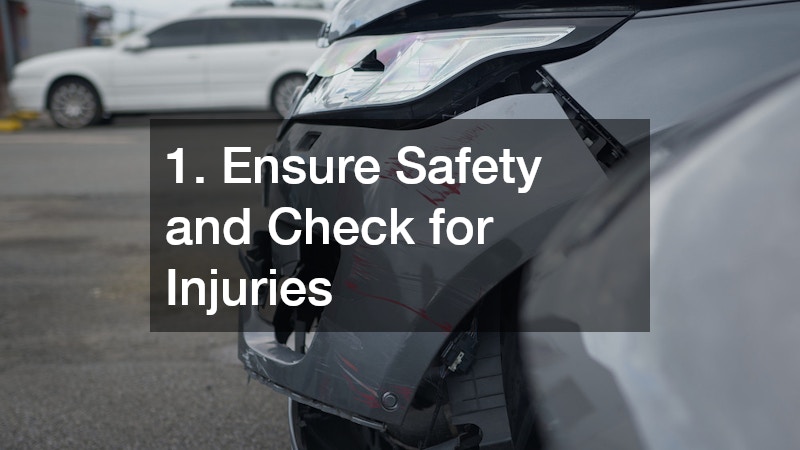
The first priority after any accident is safety. Even if the damage appears minor, injuries can be delayed or subtle, so it’s essential to evaluate the situation carefully.
Immediate steps to take:
- Move your vehicle to a safe location if possible, such as the shoulder of the road.
- Turn on hazard lights to alert other drivers.
- Check yourself, passengers, and other parties involved for injuries. Some injuries may not be immediately apparent, such as whiplash or internal bruising.
- Call emergency services if anyone is hurt.
Documenting injuries and having them recorded by medical professionals is critical, especially if you plan to consult a car accident lawyer or truck accident attorney. Legal professionals can assist in cases of serious injury, liability disputes, or claims for compensation.
Tips for staying calm:
- Take deep breaths and focus on the immediate safety of everyone involved.
- Avoid admitting fault at the scene; stick to factual descriptions of the accident.
- Use your phone to record key observations, as this can help both legal and insurance processes.
2. Document the Scene Thoroughly
Proper documentation is a crucial step after an accident. Clear records will support insurance claims, legal matters, and repair processes.
Documentation checklist:
- Take photos of all vehicles from multiple angles, capturing license plates, damage, and any relevant road conditions.
- Photograph skid marks, debris, traffic signs, and the surrounding area.
- Record the names, contact information, and insurance details of all drivers involved.
- Collect witness contact information if others observed the accident.
This documentation is essential when working with an automobile accident attorney, who can use it to establish liability or support injury claims.
If your vehicle cannot be driven safely, arranging towing services promptly is crucial. Ensure the tow company is authorized by your insurance company or has a good reputation for careful handling. Keep the towing receipt and note the tow destination for insurance purposes.
3. Notify Your Insurance Company Promptly
After ensuring everyone is safe and documenting the accident, the next step is to contact your insurance company. Prompt notification can prevent delays in claims processing and ensure coverage for damages.
Steps to report the accident:
- Provide a factual account of the incident without speculation.
- Include photos, witness details, and police reports if available.
- Request an adjuster inspection to assess vehicle damage.
While your car is being evaluated or repaired, you may need temporary transportation. Using a car rental can keep your routine on track. Many insurance policies cover rental costs after an accident, so confirm this with your provider.
Consulting certified car mechanics early in the process can also help. They can provide an initial assessment of damage, verify repair estimates, and ensure that repair recommendations align with insurance claims.
4. Choosing the Right Collision Repair Shop
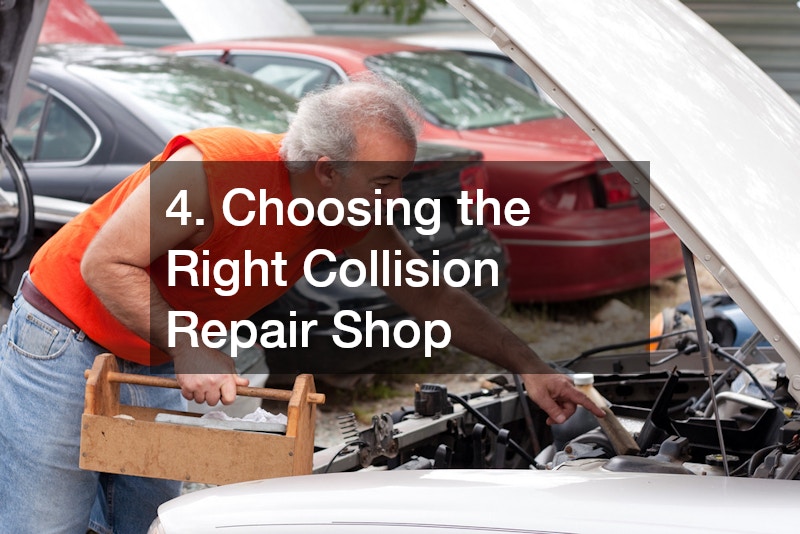
Selecting a reputable repair shop is crucial to restoring your vehicle safely and efficiently. Not all shops are equipped to handle every type of collision or provide the same quality of work.
Tips for choosing a collision repair shop:
- Look for shops specializing in body collision repair, particularly if your car has frame damage.
- Verify certifications such as I-CAR or ASE, which indicate trained technicians.
- Read customer reviews and request references.
Additional considerations:
- Ask whether the shop provides automotive detailing after repairs to restore the vehicle’s interior and exterior appearance.
- Ensure the shop offers warranties on labor and parts.
- Confirm that the facility uses OEM or high-quality aftermarket parts.
Choosing the right shop ensures your car is restored safely and retains its value.
5. Understanding Heavy Duty Repairs
Accidents involving trucks or commercial vehicles require specialized attention. The size, weight, and construction of these vehicles demand unique repair processes.
Key considerations:
- Determine whether your vehicle requires truck collision repair or specialized heavy duty truck repair.
- Look for shops with experience handling commercial trucks, large suspensions, and diesel engines.
- Ensure the repair facility has proper lifting equipment, heavy-duty paint booths, and certified technicians.
Inspection and safety:
- Trucks must meet stringent safety standards post-repair to avoid operational hazards.
- Suspension, brake systems, and load-bearing components often require additional inspection.
Investing in specialized repairs ensures your vehicle is safe, compliant, and fully functional after the accident.
6. Navigating the Legal Side of Accidents
Legal guidance can be essential after an accident, particularly if there are injuries, liability disputes, or significant damage.
When to consult an attorney:
- Injuries are severe or long-term.
- Fault is disputed by the other driver.
- Insurance claims are denied or undervalued.
Tips for working with a lawyer:
- Contact a car accident lawyer for passenger vehicles or a truck accident attorney for commercial vehicles.
- Provide all documentation, including photos, medical records, police reports, and repair estimates.
- Communicate promptly and honestly to ensure the attorney has everything needed to represent you effectively.
Legal experts can help negotiate settlements, pursue compensation, and guide you through complex insurance and liability processes.
7. Managing the Repair Process Efficiently
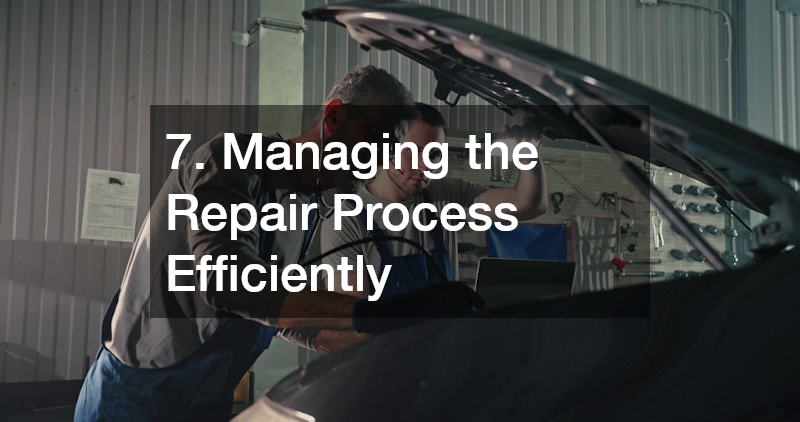
Once you’ve chosen a repair shop, managing the process effectively ensures your vehicle is restored properly and promptly.
Steps for overseeing repairs:
- Confirm the repair estimate and timeline with the shop.
- Verify that technicians are qualified car mechanics.
- Ask for updates during critical stages of body collision repair.
Questions to ask your mechanics:
- Are all parts OEM or equivalent quality?
- Are structural components being inspected for safety?
- What quality control checks are performed before returning the vehicle?
Documenting progress and staying engaged helps prevent miscommunication and ensures a high-quality repair.
8. Maintaining Your Vehicle After Repairs
Once repairs are complete, maintaining your vehicle is essential to ensure it stays in good condition, performs safely, and preserves its value over time. Even minor oversights after repairs can lead to long-term problems, so taking a proactive approach is key to protecting your investment.
Post-repair steps:
- Schedule professional automotive detailing: After bodywork and paint repairs, it’s important to restore the vehicle’s appearance fully. Professional detailing can remove dust, overspray, or residue from the repair process, polish paint surfaces, and clean interiors to like-new condition. This not only improves aesthetics but also helps prevent corrosion and wear.
- Check all repaired components for proper function: Before resuming regular driving, inspect critical systems such as brakes, lights, and electronics. Make sure that doors, windows, and locks operate smoothly, and test any replaced or repaired parts. Addressing small malfunctions immediately can prevent bigger problems later.
- Use a car rental temporarily if needed: Some repairs, such as paint curing or complex bodywork, may require additional time before the vehicle is fully road-ready. Using a car rental during this period ensures you remain mobile without risking damage to your freshly repaired vehicle.
Preventive maintenance tips:
- Keep repair receipts and documentation: Maintaining an organized record of all repairs is vital for warranty purposes, insurance claims, and future resale. Documentation provides proof of quality repairs and part replacements.
- Monitor for unusual noises or performance issues: Even after professional repairs, subtle problems can emerge, such as vibrations, strange sounds, or changes in handling. Regularly checking for these signs helps catch issues early.
- Schedule periodic inspections: Routine inspections with certified mechanics ensure that the vehicle remains safe and fully functional. This includes checking fluids, tire condition, suspension, and other critical systems.
By following these post-repair steps and preventive measures, vehicle owners can maintain optimal performance, safety, and appearance, while maximizing the longevity and value of their car. Proactive care after repairs ensures that your investment continues to serve you reliably for years to come.
9. Preparing for Insurance Inspections and Claims
Insurance inspections often require careful preparation to ensure claims are fully covered and processed efficiently. The way you handle this step can significantly impact the outcome of your claim and the speed at which you receive compensation. Being organized, proactive, and thorough helps prevent delays and minimizes the risk of disputes with your insurance provider.
Tips for inspections:
- Coordinate with your insurance adjuster to schedule a convenient time: Communication is key. Setting a mutually convenient appointment ensures the vehicle is available for inspection and the adjuster can allocate sufficient time to thoroughly assess damages. This also reduces the likelihood of rushed evaluations that might overlook important details.
- If the vehicle cannot be driven, arrange towing services to transport it safely: Make sure the tow service is approved by your insurance company if required, and keep receipts and documentation of the service. This step ensures your vehicle is transported without additional damage and maintains a clear record for your claim.
- Provide complete documentation of repairs and damage estimates: Bring any photos, repair logs, receipts, and mechanic reports. Detailed documentation supports your claim and demonstrates that the repairs were necessary and completed properly, reducing the risk of disputes.
Working with an automobile accident attorney can further strengthen your position. Attorneys specializing in vehicle accidents can review your documentation for completeness, advise you on your coverage limits, and communicate directly with your insurance company if needed. They can also assist in situations where claims are denied, underpaid, or delayed, ensuring that your rights are protected throughout the process.
By approaching insurance inspections methodically, coordinating effectively, and enlisting professional legal guidance when necessary, vehicle owners can maximize the likelihood of a smooth claims process and full compensation for damages. Preparation and proactive communication are the keys to avoiding unnecessary complications.
10. Planning for Long-Term Vehicle Safety and Protection
Even after repairs are complete, it’s essential to maintain long-term vehicle safety, especially for trucks or heavy-duty vehicles. A repaired vehicle may look fine on the surface, but underlying components can still be vulnerable if not monitored regularly. Consistent maintenance and proactive safety checks help prevent future breakdowns, extend the vehicle’s lifespan, and protect drivers and passengers on the road.
Long-term strategies:
- Schedule regular inspections of suspension, brakes, and safety systems: Post-repair, these components may experience additional stress. Inspecting them periodically ensures that no hidden damage or wear compromises vehicle stability or stopping power.
- Track completed truck collision repair or heavy duty truck repair work in a log for future reference: Recording all repairs, including replaced parts, repair dates, and technician notes, allows you to monitor patterns over time and provides essential information for resale or insurance claims.
- Maintain all repair receipts and warranty information: Keeping detailed documentation ensures you can take advantage of warranties and track service history. This is particularly important for trucks and heavy-duty vehicles where repairs can be costly and parts specialized.
Additional recommendations:
- Follow manufacturer-recommended service schedules: Adhering to these schedules for oil changes, fluid replacements, tire rotations, and other routine maintenance helps prevent problems before they become serious.
- Consider periodic safety evaluations, especially for vehicles carrying heavy loads: Overloaded or frequently used trucks may require more frequent inspections of the frame, suspension, and braking systems to ensure compliance with safety regulations.
- Encourage all drivers to practice safe driving habits: Proper driving behavior reduces stress on repaired components and lowers the risk of repeat collisions. Training drivers on defensive driving techniques, speed management, and load distribution can further protect your investment.
By maintaining vigilance after repairs, vehicle owners ensure their trucks or heavy-duty vehicles remain safe, fully operational, and compliant with legal and manufacturer requirements. This proactive approach minimizes the likelihood of unexpected failures and maximizes both safety and longevity.
Recovering from a collision requires a systematic approach that balances safety, legal responsibility, and vehicle repair. By following a step-by-step process—from securing the scene and documenting the accident to choosing the right repair shop and maintaining long-term vehicle safety—you can minimize stress and financial loss. Taking proactive and informed actions ensures your vehicle is restored correctly and helps protect your legal and insurance interests.