
Trucks are more than just vehicles—they are tools that provide versatility, reliability, and power for both work and personal use. Maximizing a truck’s performance goes beyond simply driving it carefully; it involves a combination of routine maintenance, strategic upgrades, and smart operational habits. The condition of a truck affects fuel efficiency, handling, safety, and longevity, and small improvements can lead to noticeable benefits over time. A well-maintained truck not only performs better but also retains its value, reduces unexpected repair costs, and enhances the overall driving experience. Understanding how to optimize a truck’s performance requires awareness of its key components, from the engine and suspension to tires and accessories. Regular inspections, preventive maintenance, and attention to wear and tear ensure the truck operates at its best. Equally important is adopting habits that support efficiency, such as careful towing practices, appropriate storage, and managing load distribution. By approaching truck care strategically, owners can achieve a balance of performance, safety, and long-term reliability.
Maintaining Your Truck’s Engine Health
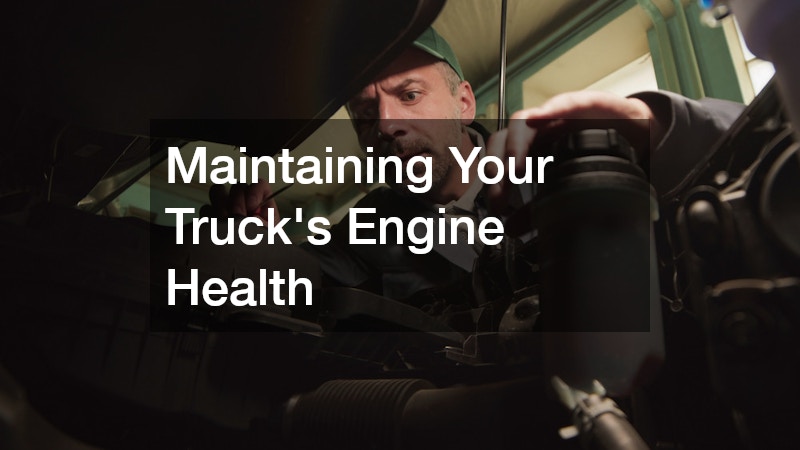
The engine is the heart of any truck, and maintaining its health is critical for ensuring consistent performance. Routine oil changes, timely filter replacements, and proper cooling system care are essential practices that prevent engine wear and maintain efficiency. Neglecting these tasks can lead to overheating, reduced fuel economy, or more severe mechanical issues over time. Engine health impacts not only power output but also emissions, fuel efficiency, and the longevity of other components, making regular attention a key factor in maximizing truck performance. Working with a local truck repair shop can help ensure that engine maintenance is done correctly and efficiently. Professional technicians can diagnose early signs of wear, recommend appropriate fluids and parts, and perform complex maintenance tasks that may be difficult for a truck owner to handle alone. From routine tune-ups to addressing performance issues, a reliable repair shop provides guidance that extends the engine’s lifespan, reduces the risk of breakdowns, and ensures the truck consistently operates at peak performance.
Optimizing Fuel Efficiency
Fuel efficiency is a major component of a truck’s overall performance, influencing both operating costs and environmental impact. Several factors affect fuel consumption, including driving habits, load weight, tire condition, and vehicle aerodynamics. Simple practices, such as maintaining steady speeds, avoiding rapid acceleration, and reducing unnecessary idling, can improve efficiency significantly. Additionally, choosing fuel-efficient routes and minimizing excess cargo contributes to a more economical and environmentally friendly driving experience. Focusing on the truck as a whole can further enhance fuel efficiency. Keeping tires properly inflated, using the recommended grade of motor oil, and ensuring the fuel system is clean all help the engine run more efficiently. Owners can also consider upgrades, such as aerodynamic accessories or lightweight components, to reduce drag and weight. By paying attention to both driving habits and vehicle condition, truck owners can maximize miles per gallon, reduce costs, and maintain the vehicle’s performance over time.
Upgrading Tires and Suspension
Tires and suspension are fundamental to a truck’s performance, affecting handling, stability, and ride quality. Proper tires provide traction, improve fuel efficiency, and ensure safer braking in various conditions, while a well-maintained suspension system helps absorb shocks and maintain control on rough roads. Neglecting these components can lead to uneven tire wear, decreased handling, and increased risk of accidents. Investing time in understanding tire types, tread patterns, and suspension design is essential for maximizing the truck’s capabilities in daily driving and demanding work conditions. Alignment is a critical part of optimizing the tires and suspension system. Proper wheel alignment ensures that tires contact the road evenly, reducing uneven wear and improving fuel efficiency and handling. Misalignment can cause the vehicle to pull to one side, increase stress on suspension components, and negatively affect overall performance. By regularly checking and correcting alignment with professional equipment, truck owners can enhance ride stability, extend the life of tires, and maintain smoother, safer driving experiences, especially when carrying heavy loads or towing.
Improving Braking and Handling

A truck’s braking system and handling characteristics are vital to both performance and safety. High-quality brakes and responsive handling allow drivers to navigate challenging road conditions, manage heavy loads, and maintain control during emergencies. Regular inspections of brake pads, rotors, and fluid levels are essential to prevent deterioration that can compromise stopping power. Additionally, handling depends on suspension tuning, weight distribution, and steering responsiveness, all of which must be monitored and adjusted as needed. Proper towing practices play an important role in preserving braking and handling efficiency. When towing trailers or heavy equipment, extra stress is placed on the brakes and suspension, which can lead to increased wear if not managed correctly. Using recommended towing speeds, distributing weight evenly, and ensuring that brake systems are equipped for the load can protect performance. By combining regular maintenance with smart towing habits, truck owners can maintain safe, responsive braking and superior handling under a variety of driving conditions.
Maintaining Your Transmission and Drivetrain
The transmission and drivetrain are critical to how efficiently a truck delivers power to the wheels, impacting acceleration, towing capacity, and overall performance. Regular maintenance, such as checking fluid levels, replacing worn components, and monitoring for unusual noises, ensures smooth operation and prevents costly repairs. A well-maintained drivetrain improves responsiveness, reduces fuel consumption, and enhances the truck’s longevity, making it an essential focus for owners who rely on their vehicles for both work and daily transportation. Selecting the right truck accessories can also improve transmission and drivetrain performance. Components such as high-quality shift knobs, transmission coolers, and upgraded drive shafts can reduce stress on the system and enhance efficiency. Accessories designed for heavy-duty use, towing, or off-road conditions help the truck operate optimally under demanding circumstances. By pairing regular maintenance with thoughtful accessory upgrades, truck owners can maintain smooth power delivery, prevent premature wear, and enjoy more reliable and efficient performance over the life of the vehicle.
Protecting and Maintaining Windows
The condition of a truck’s windows plays an important role in both safety and overall performance. Clear, intact windows ensure good visibility under all driving conditions, protect passengers from the weather, and maintain the structural integrity of the cab. Over time, small chips, cracks, or worn seals can compromise safety and comfort while also affecting the truck’s value. Regular cleaning and inspection of windows prevent damage from escalating, while timely repairs maintain a clear, safe view of the road. Auto glass replacement may be necessary when chips or cracks are too severe to repair. Professional replacement ensures that the glass fits correctly, maintains proper sealing, and preserves the truck’s structural safety. High-quality materials and precise installation prevent leaks, wind noise, and potential safety hazards, keeping the truck performing reliably. By addressing window damage promptly and maintaining glass integrity, truck owners can safeguard visibility, comfort, and long-term value.
Enhancing Your Truck Bed for Performance
A truck bed is a versatile feature that supports hauling, towing, and work-related tasks, making it a critical element of performance. Properly maintaining and protecting the bed prevents rust, dents, and structural damage that can affect the truck’s functionality. Adding protective measures like liners, covers, or mats also helps manage cargo safely, preventing shifts that could interfere with handling or damage the truck. A well-maintained truck bed contributes to both daily utility and long-term resale value. Truck bed lining is an effective way to protect the cargo area from wear and tear while also improving performance. Liners shield the bed from scratches, corrosion, and impact damage, ensuring that the truck remains functional and visually appealing over time. Spray-on or drop-in liners provide durable protection depending on the owner’s needs, whether hauling heavy equipment, transporting loose materials, or using the truck for outdoor adventures. Incorporating a high-quality bed liner allows truck owners to maximize utility while minimizing maintenance issues and extending the life of their vehicle.
Planning for Potential Accidents and Safety

Even the best-maintained truck is vulnerable to accidents or unexpected incidents, making safety planning an essential part of performance strategy. Proper safety measures include regular inspections of brakes, tires, lights, and other critical systems, as well as using protective equipment and following recommended operating practices. Proactive preparation minimizes the risk of severe damage, reduces downtime, and ensures the truck remains reliable and roadworthy. Safety planning also extends to proper cargo handling, towing, and driver habits, all of which directly influence vehicle performance and longevity. Truck accident lawyers can provide guidance and support in the aftermath of a collision, helping owners understand insurance coverage, liability issues, and repair options. Consulting legal experts ensures that truck owners are fully protected and that repairs or replacements are handled efficiently, preserving the vehicle’s performance and value. By combining preventative safety measures with professional advice in case of accidents, truck owners can maintain confidence in their truck’s reliability, mitigate risks, and ensure long-term operational efficiency.
Maintaining Exterior and Body Condition
The exterior and body of a truck are often overlooked when considering performance, but protecting them plays a crucial role in long-term durability and efficiency. Rust, dents, and scratches not only reduce the visual appeal of a truck but can also compromise structural integrity over time. Regular washing, waxing, and timely paint touch-ups help prevent corrosion, maintain protective coatings, and shield metal surfaces from environmental damage. A well-maintained exterior also protects components such as the frame, suspension mounts, and truck bed from unnecessary wear, allowing the truck to function optimally even under demanding conditions. Investing in protective measures, such as bed liners, rust-proof coatings, and splash guards, further preserves the truck’s body while preventing damage from road debris, weather, or heavy loads. Keeping the exterior in good condition enhances resale value, reduces long-term repair costs, and ensures that all systems continue to perform efficiently. By routinely inspecting and maintaining the truck’s body, owners can combine aesthetic appeal with functional protection, ultimately supporting both performance and longevity.
Using Trailers Safely and Efficiently
Trailers can expand a truck’s functionality, allowing owners to transport large items, recreational vehicles, or heavy equipment. Safe trailer use requires proper attachment, weight distribution, and understanding of the truck’s towing capacity. Neglecting these factors can compromise handling, braking, and overall performance, making accidents more likely and causing excessive wear on the truck. Planning routes, securing cargo properly, and adhering to manufacturer guidelines are critical for maintaining both safety and performance. Selecting the right trailer for the task and ensuring proper coupling helps optimize efficiency and stability. Trailer inspections should include checking lights, brakes, tires, and hitch connections before each trip. By integrating trailers thoughtfully into truck operations, owners can expand functionality without sacrificing performance, ensuring that both the truck and trailer work together safely and reliably for work or recreational purposes.
Organizing Truck Storage for Efficiency

Proper truck storage enhances daily convenience, protects tools and equipment, and contributes to overall vehicle performance. Disorganized or overloaded storage can shift weight, interfere with handling, and reduce fuel efficiency. Thoughtful organization of the truck’s cab, bed, and storage compartments maximizes usable space while maintaining a safe and balanced load. Storage solutions also help protect sensitive equipment from weather or damage, extending the lifespan of both the cargo and the truck. Incorporating specialized storage systems provides a durable, efficient solution for managing gear, tools, or personal items. Strategically placed compartments, racks, and organizers reduce clutter and ensure that weight is distributed evenly, which helps maintain handling and performance. By investing in high-quality storage solutions, truck owners can enjoy improved safety, efficiency, and utility, allowing the truck to operate at peak performance while remaining versatile for a wide range of tasks.
Optimizing a truck’s performance requires a comprehensive approach that combines regular maintenance, strategic upgrades, and mindful operational habits. From maintaining the engine, transmission, and suspension to protecting windows, truck beds, and storage systems, each component contributes to overall performance, efficiency, and safety. Attention to detail in these areas ensures that the truck remains reliable under daily use and demanding conditions while reducing long-term repair costs. A well-maintained truck not only performs better but also retains value and enhances the driving experience for years to come. Owners who integrate preventative maintenance, professional services, and thoughtful upgrades can maximize the capabilities of their trucks. Understanding the importance of tires, alignment, braking, towing, and storage allows drivers to plan for both everyday use and special tasks, ensuring performance remains consistent. By combining practical strategies with the right accessories and expert support, truck owners can enjoy a vehicle that is efficient, safe, and versatile. Ultimately, achieving the best performance from a truck is about a balance of care, planning, and smart enhancements that maintain reliability, functionality, and value over the long term.